
From Sales Engineer to WASH Professional: Jokastah Kalungu on a Three-Month Career Shift
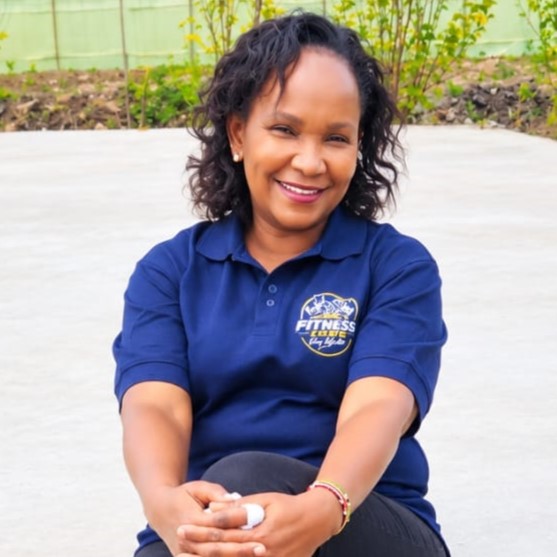
Eng. Jokastah Kalungu
Consulting engineer and lecturer, South Eastern Kenya University · Kenya
Mentor · WIW & RWSN · 24 October 2026
“Start with what you know, and make the time to listen. You do not need to have every answer. A good mentor is approachable, honest, constructive and respectful of confidentiality. Most importantly, a mentor should not make decisions for the mentee.”
Eng. Jokastah W. Kalungu is based in Kenya. She is a professional consulting engineer specialising in WASH and climate resilience, and also lectures at South Eastern Kenya University. Her work spans water supply, WASH, flood mitigation, climate adaptation, environmental assessment, water resources management, and community engagement, with a particular interest in translating engineering knowledge into practical solutions for communities, including persons with disabilities, women, and other vulnerable groups in informal settlements and arid and semi-arid areas.
Alongside her academic and consulting work, she is involved in community-based initiatives that strengthen the participation of women and vulnerable groups in climate and water-related decision-making.
Jokastah takes part in the Women in WASH & RWSN mentorship programme as a mentor.
Passing Forward the Support She Received
Jokastah traces her decision to mentor back to the guidance she received throughout her own career. “Throughout my academic and professional journey, people have guided me, challenged me, opened doors and helped me recognise possibilities I might not have seen on my own. Mentoring gives me an opportunity to pass that support forward.”
She points to a specific shift she looks for in her mentees. “There is a powerful shift when a mentee moves from asking, ‘Can I do this?’ to saying, ‘This is what I can contribute.’”
From DStv Sales Engineer to WASH Professional in Three Months
Jokastah describes mentoring Mr. John Ochago from Uganda, whose academic background was related to the water sector but who was working as a DStv sales engineer and had not yet found a route into WASH. They worked together on positioning his transferable skills, strengthening his CV, preparing for interviews, and identifying the professional strengths he could communicate more confidently. Within three months, he transitioned into the WASH sector.
“That experience reinforced an important lesson for me: career transitions are possible when people receive timely guidance, encouragement and access to opportunities.” She has seen the same pattern repeat with students and emerging professionals navigating research direction, scholarship applications, and career choices. “Sometimes a well-timed conversation can change how a person sees their own possibilities.”
Learning to Listen More Carefully
Jokastah describes mentoring as sharpening her ability to adapt to each person she works with. “People have different strengths, experiences, ambitions and ways of learning, so effective mentorship cannot be one-size-fits-all.” It has also kept her current in a fast-changing field. “WASH is evolving alongside climate change, new technologies and changing approaches to service delivery. Mentoring others therefore challenges me to remain curious, follow emerging developments and continually update my own knowledge.”
Her Advice to First-Time Mentors
Jokastah encourages new mentors to start simply. “Start with what you know, and make the time to listen. You do not need to have every answer. A good mentor is approachable, honest, constructive and respectful of confidentiality. Most importantly, a mentor should not make decisions for the mentee.” She describes the underlying goal of the relationship. “The goal is not to create dependence; it is to help another person develop the confidence, knowledge and judgement to make their own decisions.”
She adds a note on patience. “You may not immediately see the impact of your time. Sometimes it becomes visible much later, when someone tells you that a conversation, introduction or piece of advice helped shape their journey.”
Why She Believes Mentorship Matters
Jokastah connects mentorship to the increasingly complex demands of WASH and climate work. “The sector needs professionals who combine strong technical capability with innovation, leadership and an understanding of the communities they serve.”
She also points to its role in building access for those underrepresented in the field. “Mentorship also supports knowledge transfer and inclusion. It can help young professionals, women and others with limited access to professional networks build confidence and find pathways into leadership.”
What She Recommends
When asked for a book, tool or resource recommendation, Jokastah points to a combination of data sources and field tools rather than a single title. She regularly draws on the WHO/UNICEF Joint Monitoring Programme, Kenya-specific sector information systems, and digital field-data platforms such as mWater, alongside GIS and mobile data-collection tools for mapping services and strengthening monitoring. “Good WASH decisions begin with good evidence, data based decision making. We need to understand what is happening on the ground before designing solutions that are practical, inclusive and sustainable.”
