
Children From a Distance: Srijana Karki on Mentoring the Next Generation of WASH Leaders
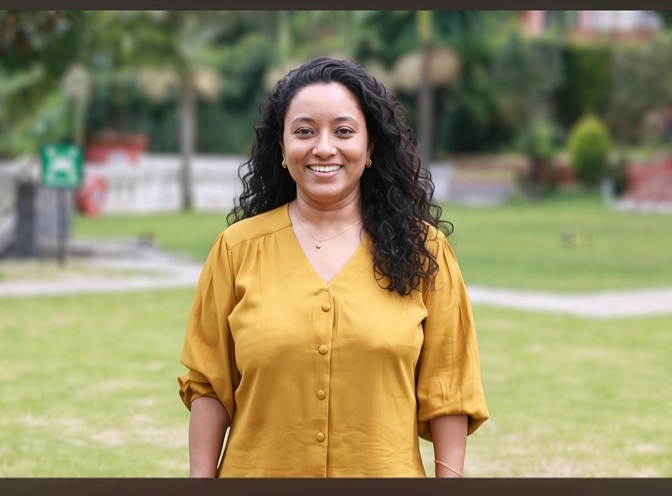
Srijana Karki
Development professional, WASH and inclusion · Nepal
Mentor · WIW & RWSN · 24 October 2026
“I especially enjoy helping young people and early-career professionals recognize their potential, find their voice, and become changemakers.”
Srijana Karki is based in Kathmandu, Nepal. She is a development professional working across WASH, policy advocacy, Gender Equality and Social Inclusion, and humanitarian response, with a focus on inclusive, resilient, and sustainable development outcomes.
Beyond her professional work, she is passionate about reading, writing, travelling, and lifelong learning, and practices meditation and yoga regularly.
Srijana takes part in the Women in WASH & RWSN mentorship programme as a mentor.
Knowledge That Grows More Valuable When Shared
Srijana’s motivation to mentor comes from a belief that knowledge is strengthened by passing it on. “Throughout my journey in the WASH sector, I have been fortunate to learn from inspiring mentors, colleagues, and communities who have shaped both my professional and personal growth.”
She is still a mentee herself, continuing to be guided by Dr. Roshan Raj Shrestha, a renowned global WASH expert, whose leadership has inspired her own approach to supporting emerging leaders.
What she finds most rewarding is watching that support take hold. “I especially enjoy helping young people and early-career professionals recognize their potential, find their voice, and become changemakers.”
Helping a Mentee Learn to Own Her Story
Srijana describes mentoring Neema Mbwambo, a Project Coordinator at World Vision in Karatu, Arusha, Tanzania. When they began, Neema had strong technical expertise and real potential, but was often hesitant to showcase her achievements or take ownership of her professional narrative. Their work together focused on confidence, self-reflection, and visibility alongside technical growth. Over time, Neema began systematically documenting her experiences and project outcomes, and grew more confident sharing her work with wider audiences.
Srijana also saw a personal transformation alongside the professional one. “She strengthened her time-management skills, became more intentional in balancing her professional and personal responsibilities, and approached her role with greater confidence, accountability, and leadership.” She reflects on what that growth confirmed for her. “Mentorship is not about giving answers, it is about helping people recognize their own strengths and believe in their ability to lead. Her growth reinforced my belief that when we invest in people, we do more than build careers, we help shape future leaders who will inspire and empower others.”
Mentees as “Children From a Distance”
Srijana describes the trust her mentees place in her as something that pushes her own growth. “That trust motivates me to continuously learn, stay updated, and reflect on my own experiences so that I can provide meaningful and informed support.” She has a particular way of framing the relationship. “I often think of mentees as our ‘children from a distance,’ individuals who need encouragement, guidance, and honest feedback until they are confident enough to navigate their professional journeys independently.” She distills the lesson mentorship has taught her most clearly. “True leadership is not about creating followers; it is about empowering others to grow, make their own decisions, and become confident professionals and leaders themselves.”
Her Advice to First-Time Mentors
Srijana encourages new mentors to lead with commitment rather than expertise. “You do not need to have all the answers; you simply need a genuine commitment to support, listen, and share your experiences.” She describes what she finds most rewarding about the role. “The most rewarding part is seeing someone grow from seeking guidance to making independent decisions, leading with confidence, and creating impact in their own field.”
Why She Believes Mentorship Matters
Srijana connects mentorship to how knowledge and leadership move between generations. “While education provides information, mentorship helps people apply that knowledge, navigate challenges, and grow with confidence.” She frames its value at a broader scale as well. “Strong organizations, sectors, and societies do not grow solely through infrastructure, technology, or investments; they grow when people are empowered to reach their potential and lead positive change.” She sums up what mentorship ultimately means to her. “Mentorship is the art of unlocking potential and creating a ripple effect of leadership, impact, and change that extends far beyond ourselves.”
What She Recommends
When asked for a book, tool or resource recommendation, Srijana points to the Sphere Handbook for its standards and practical guidance on humanitarian WASH interventions, alongside resources from SuSanA, the Rural Water Supply Network, UNICEF, the WHO Guidelines for Drinking-Water Quality, and the WHO/UNICEF Joint Monitoring Programme.
On books, she points to several that have shaped her thinking: Development as Freedom by Amartya Sen, Invisible Women by Caroline Criado Perez, The Moment of Lift by Melinda French Gates, The Blue Sweater by Jacqueline Novogratz, and Factfulness by Hans Rosling.
“These resources have shaped my understanding that safe water, sanitation, and hygiene are not only basic human rights but also fundamental to health, dignity, gender equality, and sustainable development.”
